
Youth Sports Sponsorships: A Marketing Strategy for Local Businesses and Families with Mandy Holmes
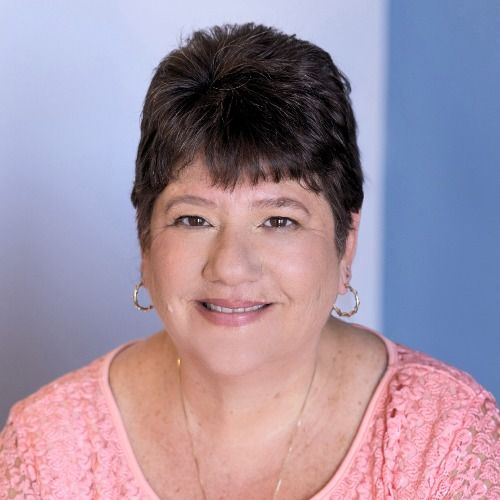
Abbie Fink and Adrian McIntyre chat with Mandy Holmes, founder of Sponsor My Athlete, about how parents can turn their children's passion for sports into a lucrative opportunity through local business sponsorships. Mandy shares insights on building brand partnerships, legal and financial considerations, and how these strategies can extend to arts and other activities. Whether you're a parent, a small business owner, or interested in community engagement, this episode highlights a powerful grassroots marketing approach.
Read the transcript and notes for this episode on our website.
Key Takeaways
- Sponsorships can provide a sustainable way for families to support youth sports without bearing excessive financial burdens.
- Local businesses benefit from these partnerships by gaining direct access to community-oriented marketing opportunities.
- Clear contracts and understanding of the business relationship are crucial to ensure mutual benefit.
- The approach used for youth sports sponsorships can be applied to other activities such as music, theater, and arts.
- Starting early with branding and establishing professional relationships can pave the way for future successes in a child's sports or arts career.
Follow the podcast
If you enjoyed this episode, please follow Copper State of Mind in Apple Podcasts, Spotify, or any other podcast app. We publish new episodes every other Friday. Just pick your preferred podcast player from this link, open the app, and click the button to “Follow” the show: https://copperstateofmind.show/listen
Need to hire a PR firm?
We demystify the process and give you some helpful advice in Episode 19: "How to Hire a Public Relations Agency in Arizona: Insider Tips for Executives and Marketing Directors."
Credits
Copper State of Mind, hosted by Abbie Fink and Dr. Adrian McIntyre, is brought to you by HMA Public Relations, a full-service public relations firm in Phoenix, AZ.
The show is recorded and produced by the team at Speed of Story, a strategic communications consultancy for PR agencies and marketing firms, and distributed by PHX.fm, the leading independent B2B podcast network in Arizona.
If you like this podcast, you might also enjoy PRGN Presents: PR News & Views from the Public Relations Global Network, featuring conversations about strategic communications, marketing, and PR from PRGN, "the world’s local public relations agency.”
Transcript
If you have a kid or you’ve ever been a kid, chances are that one of your first exposures to sales and marketing was going door to door to raise money for something for a school project or sport team or theatre or any of those kinds of things. For a lot of us, it was the first time we saw, although we didn’t necessarily know that we were seeing it, the business side of sports, the business side of performance, the business side of community. And for most of us that is something that happens when we’re a kid and then it goes away. But for some of us, it becomes marketing and sports and pursuing the intersection of those things becomes a passion and becomes a career. And we’ve got a pretty interesting conversation lined up today. Abbie, what’s on your mind?
Abbie Fink:Yeah. Candles, candy and calendars. That was it, right? I was not the athlete in my family. That went to my sister. I was the band nerd. But we still had to sell in order to go to the competitions and things. And I think if I look hard enough, there are probably still candles at my parents house from the Wayback Machine that we had to sell. But I did play summer sports, parks and rec type things. And I remember the, the parent that had the small business was typically the sponsor of the team and the name would go on the back of the shirt and we would have the team photo. Some of my favorite restaurants in the neighborhood, the local restaurants still have those pictures of those kids teams up on their walls. But the sports as a business, thinking about it from a marketing strategy, I mean, you can’t help but pay attention over the last, you know, handful of weeks with attention on the World cup, the Knicks winning, the basketball championship, everybody is prepping for the Olympics.
Abbie Fink:And you know, sponsorship is just top of mind and really has become a commonplace when we’re watching any sort of sports on a professional level. But those, those professionals have to start somewhere. And a lot of them get their, their start in youth sports. And it doesn’t mean that that commitment to the funding element and how to do that doesn’t exist. And from a business perspective, there’s probably opportunities there for businesses large and small to make a commitment to youth sports. And so I was excited to get an email from Mandy Holmes who has really taken that concept, being a sports mom and a marketing person and saying what can we do about that? So Mandy, thanks for joining us today. Why don’t you just give us just a quick overview of your organization, sponsor My Athlete and what that’s about and then we’ll talk about really the role of how sponsorship can be looked at from a youth sports perspective and why it might matter to businesses today. Sure.
Mandy Holmes:Well, thank you for having me. I am a sports mom. I have an 11-year-old who plays three sports, and we were spending upwards of $10,000 a month on these, and I just said this is insane and not sustainable. And you know, with my marketing background, I was talking to small business owners locally every day about exposure and who their target market was. And so I really figured out how to shift that partnership to sponsoring youth athletes and building a brand. And now I teach other parents how to build their kiddos brand, how to partner with local businesses to support their athlete’s journey and never pay for sports again.
Abbie Fink:And that probably hooks them right there: “and never pay for sports again.” Well, let’s talk about that from the business owner’s perspective. Again, if we, you know, as I was describing it in the intro, you know that it is not uncommon for the local small business to make that contribution to little league or girls’ softball or soccer and you know, name the team after them. But what you’re talking about is a much more robust thought process around why they might want to make the, you know, the investment in that. So again, coming at it from the marketing perspective and you know, what, what value that might be, what are some of the conversations that are taking place now, you know, as you are approaching small businesses in terms of thinking about youth athletes, youth sports as a viable marketing strategy and why that investment makes some sense or could make sense for their business?
Mandy Holmes:Yeah, if businesses are looking to get in front of community families that have a positive image and a decent network, then it’s a no brainer. So people will do stuff like put their logo on uniforms or partner with a family and the family can share about that business on Facebook groups. Facebook groups are a great place to shout out small businesses. And a lot of small businesses, businesses, especially home trades, find huge value in that. If you’re speaking to a restaurant, a lot of times a sports team will come in, the restaurant may host the kiddos, all the kiddo athletes for a meal, but then the parents and siblings come in and pay for all of their meals. So that restaurant is getting restaurant full of paying patrons, they’re getting all the social media exposure that these moms are taking Instagram videos of their kids enjoying their team party. Everyone’s sharing it, everyone’s tagging it, and it’s a great partnership. If that restaurant is trying to get in front of local families and you
Abbie Fink:know, the local businesses, you know, a lot of times their, their reach is really within a, you know, a zip code, within a five mile radius. These are, you know, these are not necessarily nationally recognized brands. They’re the local businesses that we all should be supporting. That is just a quick drive from the little league field or the soccer field or the football field. These are the folks that we frequent just in general and making that connection with those small businesses. I think it has dual purpose, right? I mean it shows the community support of the athletic programs and the kids in our community. But we as the parents in this case, you all get the chance to reinvest, right? You’re going to frequent those businesses that show support to the local community, kids in your neighborhood and such. Are there certain businesses that make more sense for this type of thing? Are there any that are more suited for this type of participation and not necessarily budget driven, but types of businesses that might be more inclined to want to participate in something like this?
Mandy Holmes:Yeah, I always advise families, go after the businesses for sponsorships that you’re already doing business with. You know, go after, ask, have a conversation with your pediatrician, your dentist, your barber, your parents, personal trainer, your insurance agent, your realtor. Those are all really good industries kind of to start with because you’re already spending money with them and you know that they value people like you and you’re probably surrounded with other families similar to your family. So that’s a great way, great place to start. As you mentioned, we’re not going after Nike or Adidas or Gatorade here. It’s really locally driven and I think that’s the biggest misconception, misconception that people don’t realize that these businesses love supporting local and you just have to ask them because they value marketing and they value partnerships. This is not a donation, it’s not a fundraiser, it’s not a handout, it’s not a get rich course quick. It’s truly a marketing partnership. What can we bring to your business?
Abbie Fink:And so in order to establish this, this partnership, the parent, the, the kid parent entity, do they need to be established as a business as well in order to accept, you know, and enter into a contractual relationship with this other business? Because it isn’t a donation. They’re not just writing a check out of the goodness of their heart. They really, they aren’t to some extent, but they want something in return. So this becomes a bit of a transactional effort, but with a long term commitment, with a long term relationship as the goal.
Mandy Holmes:Yep, you’re definitely Going for the long term relationship. But as I teach people in the course, you need to have it on paper. What are the expectations? If you say the logo’s going on the jersey, you’re shouting them out on Facebook, you’re doing an email blast to your team calling that business out. You are using your parents connections, whether that, whether they’re a realtor and they have an email list or they have, you know, community networking group that they’re part of. Where are you positioning that business? And get it all on paper so that the deliverables are clear on both sides. Here’s what you’re getting, here’s what you’re paying, and that’s when it becomes a partnership.
Abbie Fink:Do these businesses that you’re at least those that you have started interacting with at this point, are they involved with more than one athlete? Are they, is it sort of. Do you have to offer exclusivity? How to. Or maybe exclusive by sport or exclusive by team? What is the, what is that? Those sort of ins and outs of what that relationship. How do you develop that relationship?
Mandy Holmes:I haven’t run into an exclusivity issue yet. Like my little guy, one of the sports he plays is pickleball. So his pickleball club sponsors him. He has a membership there. Our whole family has a membership there. But they also pay him on a monthly basis. And he has obligations that he has to show up and do. And the way we got that relationship is we were already going there all the time. And so, you know, it, it was an organic partnership. And that’s the thing. I think the relationships work best when it’s already a place that your athlete or your family is already naturally using. So that’s a really good place to start. But absolutely, you have to have everything on paper for sure. Everything very upfront about who’s doing what as step one.
Abbie Fink:And so you mentioned your son. So he has, he has obligations as the one that is being sponsored, I’m assuming. Well, I, maybe we’re entering to a place we don’t necessarily need to go. But the first thing that hit me with that was that he’s not of working age yet. Right. He’s under 16. Are there other things that need to be taken into consideration for these kind of relationships? When you are looking at young, you know, younger than typical working age. And I guess I’m thinking, you know, what first comes to mind is, you know, child actors and I’m, you know, looking at Adrian and your kids and their involvement in the theatre. But that’s a similar type of thing. They’re being paid to perform or you’d like them to start getting paid, maybe. But what are the rules and regulations, if anything, when you are talking about younger kids that are under the typical age of working?
Mandy Holmes:Yeah. So you can set them up with an LLC. Like my 11-year-old now has to pay taxes because he’s getting paid by some of these places. But the money’s going directly into our account because we’re the ones scheduling the travel, paying the registration fees, all of that kind of stuff. But yeah, you can absolutely open them an LLC. It’s a great way to just kind of start, you know, their process, setting them up for success as they get closer to college, especially if they’re going to start doing NIL [Name, Image, Likeness] huge deals at that level. You’ve already had it, you know, building since they were 8, 9, 10, 11 years old.
Abbie Fink:So let’s flip it a little bit and go talk a little bit about how this might be beneficial to others that have kids that are involved in programming. Like again, the arts, theatre, music, other things where there are expenses involved to participate. You know, the fees for instructors and other, you know, the traveling and all of that. This can apply anywhere. Correct. This is not just athletes, although that’s where you got your motivation. But this really can apply to other endeavors. Other youth endeavors.
Mandy Holmes:Yeah, absolutely. I’ve had pageant girls buy the course and take it because when it comes down to it, the ask is the same. You’re positioning yourself as an asset to that business. So yeah, across the board it’s. I do it with sports because that’s my world. But any activity, musicians, art, dance, a ton of cheerleaders have done it. You know, it’s, it’s all the same ask. Even if you’re doing a fundraiser, a school fundraiser. I’ve had PTOs take the course because they use the exact templates that I share. Because again, you’re just positioning yourself as, here’s the value we can bring to your business. And when a business understands that they want to partner with you. So, yeah, it really can apply to anybody who’s looking for any type of funding.
Adrian McIntyre:This is such an interesting and delightful place to learn and explore and discover dimensions of entrepreneurship and branding and marketing and accountability and, you know, all of the things. And at the same time, as Abbie was alluding to earlier, it does intersect with the very grown-up world of taxes and contracts and things of that nature. So I assume none of us are lawyers or CPAs, and so nothing that we’re Going to say here on this podcast should be taken as anything other than entertaining conversation on this topic. But I imagine people do have questions about some of those legal and tax and other financial things. Do, do you recommend pathways for them to pursue to get those questions answered by licensed professionals? Do you, how does, how do you handle some of those topics?
Mandy Holmes:Yeah, I have a really good disclaimer on the course, you know, and it’s like, here’s what I have done in my personal experience, here’s what has worked for us. But of course, always consult your accountant and an attorney when you kind of get to the point of signing contracts with businesses. So yeah, we always account for any type of partnership we’re entering into. We always kind of run it by the people on our side and I suggest other people do the same.
Adrian McIntyre:Yeah. And I have heard, but again, not a lawyer, talk to one. I have heard of families who set up their own sort of family management company. It’s just a Schedule C thing, or so they tell me. Talk to your accountant. And there are ways that your family management company can pay your child tax free up to a certain amount of if in fact they are doing actual things, which of course it sounds like you have documented because the businesses are expecting that. So I know there’s a whole, just from the outside, I know there’s a whole rich world of opportunities and things you have to do correctly, but sounds like something that could be really fun to learn about together as a family.
Mandy Holmes:Totally. And we tell our 11-year-old, this is your first job. And so we go through all of that stuff together. He goes to the meetings, he’s with me when I’m sending the emails. We’re making sure, hey, we’re going to get a team dinner from a pizza place. What’s your favorite pizza place? Right now he’s making those decisions. So he sees the ups, the downs. You know, we’re told no sometimes and that’s okay. We want him to be told no and we talk about how to handle that, you know, so it’s definitely a life learning for everybody in the family.
Abbie Fink:Well, and I really like where that’s that, that part of the lesson learning. Right. Because you know, it isn’t, it isn’t all rosy. At the end of all of this, there are going to be some disappointments, there are going to be some things that aren’t going to work out the way you had hoped. And this is, that’s all part of the process. That’s all part of being in being a grown up being part of a business. And you know, this is, this is an incredibly powerful opportunity for, you know, grassroots community marketing. You know that businesses that want to invest in their community and in people that make their community strong, this is a way to get involved and be a participant in again, whether that’s youth sports or music or theatre, anything that is demonstrating a reinvestment in the community, in my opinion, is a strong business proposition and should be considered. And so as we’re thinking about, the business owners that are listening to this podcast and that are thinking about this, as you know, I probably know some kids in my, my community that might be interested from the, from the business side of things. Where, where’s a good place for them to start? What’s a way for them to engage and, and consider bringing this philosophy into their overall business and marketing strategy.
Mandy Holmes:I always advise start with Instagram. It’s visual, it’s easy, a lot of families have it. And one of the cool things from a business owner’s perspective is if you see a child or a family posting some content that you’re interested in and you’re en, a really good place is to start is have that family come into your business, shoot some content for the business to repost. So it’s almost like working with a little influencer, you know, so that’s a really good way to kind of test out the waters, get to know the family, make sure it’s a good fit for your business, plus get some great content out of it.
Adrian McIntyre:I love that micro influencers are now mini influencers. Like, children.
Mandy Holmes:Yeah.
Abbie Fink:Yes. Small influencers, smaller influencers. So gone are the ... well, I don’t think candles, candy and calendars are ever going to go away when it comes to large-scale fundraising. But when you think about this in more of a personal investment, this relationship building, this opportunity to embrace a community benefit, a community environment, sports, music, theatre. And it is a worthy opportunity to make that investment from a business perspective and certainly from the, the recipient, the young person and allowing them to pursue some of these opportunities, recognizing that you’re making that investment. And I think thinking about it in terms of an investment and building towards a long term relationship more than a transaction is really why this type of marketing will be successful and opportunities for families to make that engagement and find those in their communities willing to support. So I think it’s worth, it’s worth considering. I have a few that I’m thinking about that, you know, in, in my neighborhood that I know should make some of these things because of, you know, the investments that I see them making. And so I think it’s a pretty powerful interaction and an opportunity to to make a good investment in your community.
Adrian McIntyre:Well, I have just two final questions from my side. First of all, you’ve mentioned the course several times, so if you just want to let people know where to get more information about that, it seems like that could be of use to them. And after you’ve done that, if you could just tell folks what’s the one most common mistake you see people make if they start down this path that you could set them right here as we wrap up this conversation.
Mandy Holmes:Sure. So the course is available at sponsormyathlete.com. And the biggest mistake I see across the board is people waiting until they think their kid is good enough or the best on the team or the best on the stage. Just start now. Start with the branding so that brands can see you start connecting. Start following brands that you want to work with down the road. It is never too early, given that you are a parent managing the social media. And always make sure to say parent managed account because we want to make sure we’re in control of what’s being posted, what our kids are exposed to, but also getting them out there so that brands can see the visibility.
Adrian McIntyre:Thanks for listening to this episode of Copper State of Mind. If you enjoyed the conversation, please share it with a colleague who might also find this podcast valuable. It’s easy to do. Just click the “Share” button in the app you’re listening to now to pass it along. You can also follow Copper State of Mind in Apple Podcasts, Spotify or any other podcast app. We publish new episodes every other Friday. Copper State of Mind is brought to you by HMA Public Relations, the oldest continuously operating PR firm in Arizona. The show is recorded and produced by the team at Speed of Story, a B2B communications firm in Phoenix, and distributed by PHX.FM, the leading independent B2B podcast network in Arizona. For all of us here at Speed of Story and PHX.FM, I’m Adrian McIntyre. Thanks for listening and for sharing the show with others if you choose to do so. We hope you’ll join us again for another episode of Copper State of Mind.